Explore established field research, methods pilots, scientific exchange and planned connected-project settings. Each profile identifies its current role and research stage.
CHEERS Network / Research settings and connections
Research sites and connections
12 locations · 15 projects and methods contributions Research, developing work, exchange and coordination.
Choose filters, a marker or a location below to explore projects and collaboration contacts.
12 of 12 locations · 15 linked projects and methods contributions
Filters combine. Research focus reflects documented projects, methods and regional research concepts; location labels show the type of connection. Each project has its own implementation stage.
Locations are approximate. Lines indicate shared listed projects or coordination links, rather than equivalent implementation. Zoom centres on the selected location. Base map: Natural Earth.
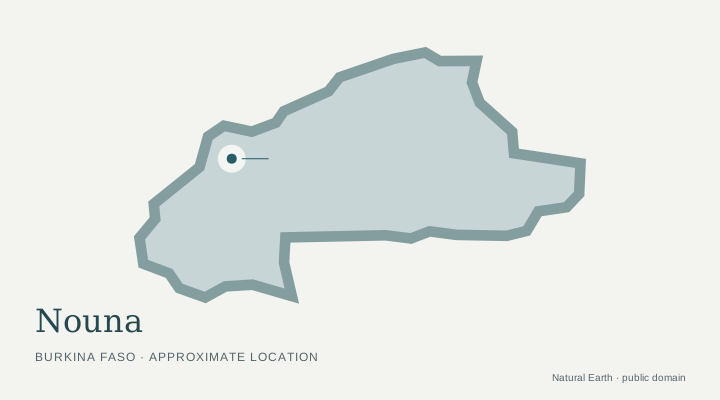
Long-term population follow-up combined with wearable, household and environmental observations. Nouna is the first full implementation described in the CHEERS framework, with integrated research beginning in 2022.
Population-based studies connect weather exposure to wearable measurements of sleep, activity and heart rate. Related projects investigate farmers’ heat strain and weather-related health challenges among people living with HIV.
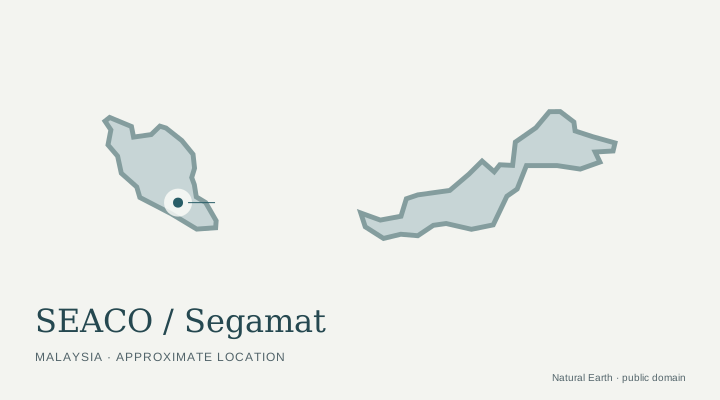
South East Asia Community Observatory · Monash University Malaysia
CHIMES combines population follow-up with wearables, indoor measurements and locally developed weather stations. Work in this setting includes respiratory and cardiovascular health and partner-led evaluation of heat adaptation.
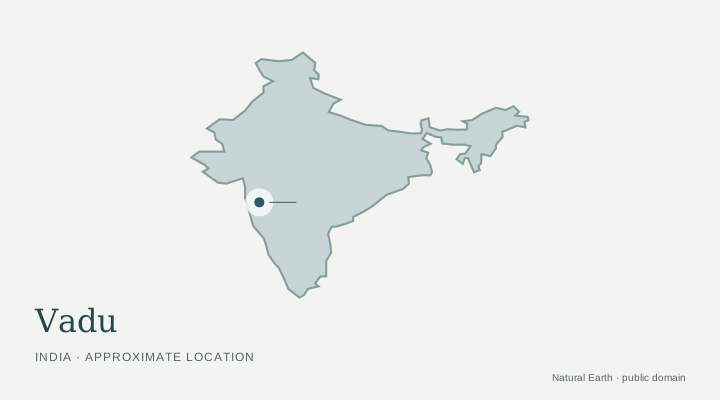
Vadu is adapting the CHEERS approach to a South Asian population cohort. Workshop and pilot development bring together morbidity surveys, household and environmental monitoring, wearables and culturally appropriate mental-health measures.
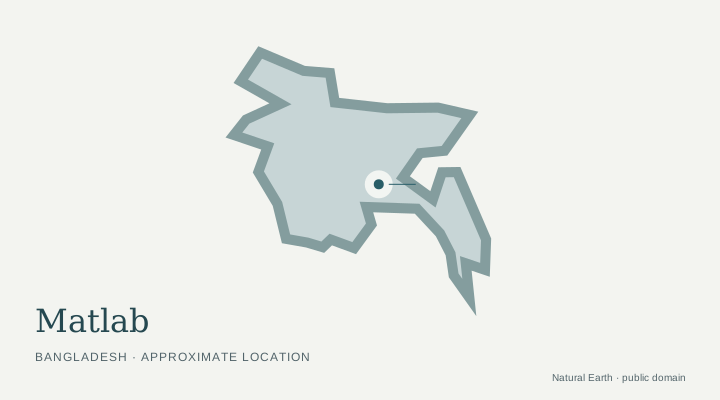
Colleagues from icddr,b participate in CHEERS-SEA technical and scientific exchange. The collaboration creates space to discuss how established population surveillance can inform climate and health research.
Institute for Population and Social Research · Mahidol University
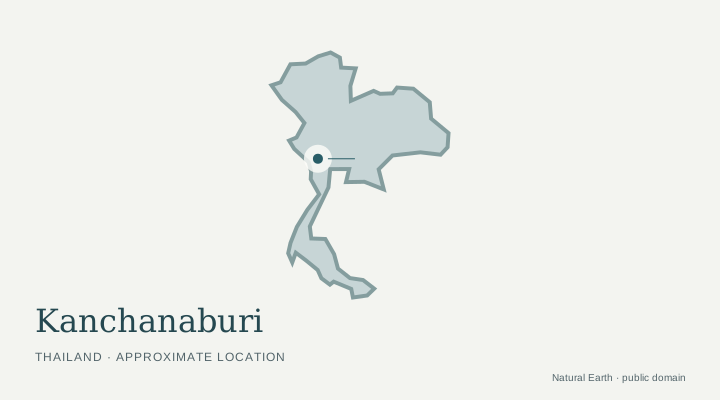
Kanchanaburi colleagues contribute to CHEERS-SEA discussions and regional collaboration. Current exchange concerns research methods, environmental exposures and opportunities for comparative population studies.
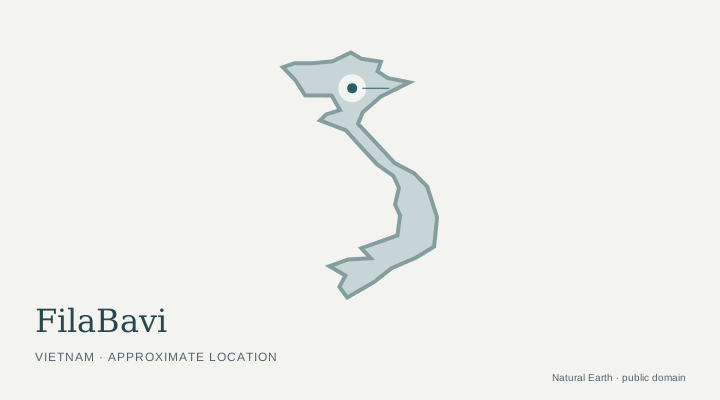
FilaBavi researchers take part in CHEERS-SEA meetings and activities. Regional discussions explore shared climate and health questions and opportunities to connect surveillance expertise across countries.
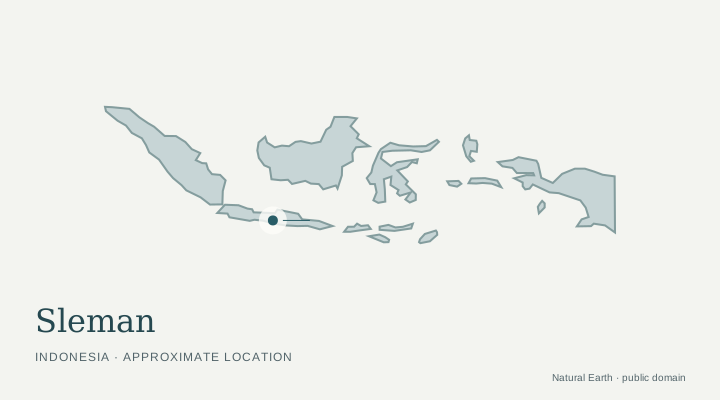
Sleman researchers participate in CHEERS-SEA scientific exchange. The developing collaboration brings local population-health expertise into discussions of climate-sensitive outcomes and shared study methods.
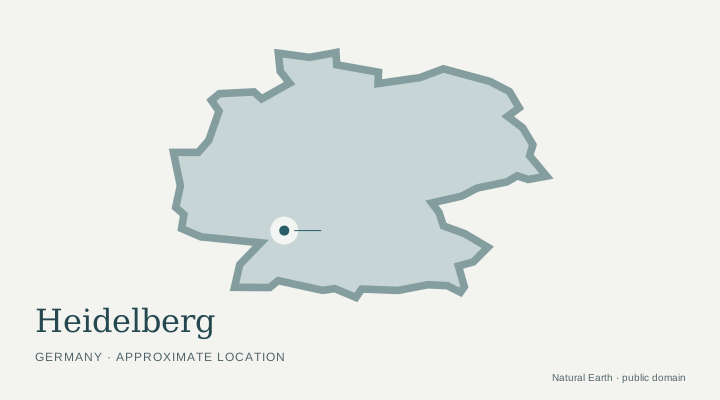
An academic hub for CHEERS framework development, digital global health, epidemiology, graph-based data integration and research collaboration. Heidelberg supports field partnerships; it is not an HDSS field cohort.
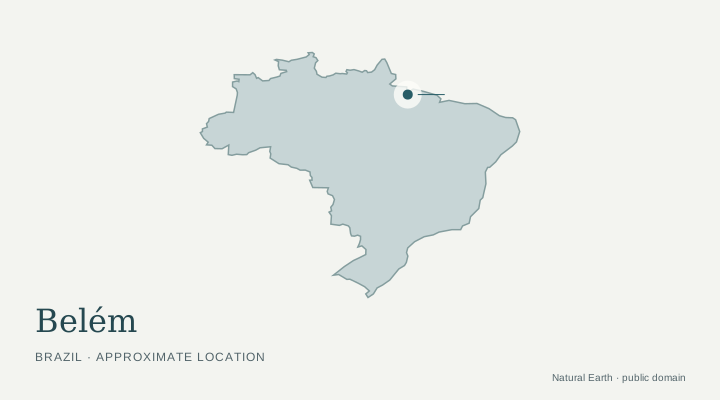
Federal University of Pará · Heidelberg collaboration
A developing pilot in the Amazonian setting of Belém connects wearable monitoring with household temperature and humidity measurements. Local training and workflow preparation are documented; collection progress and study outcomes are not yet reported here.
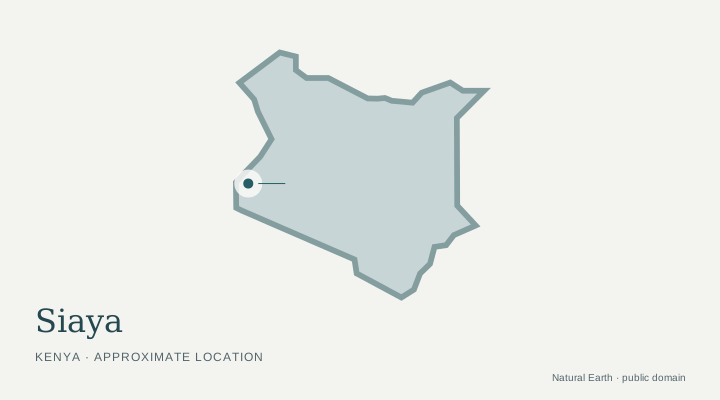
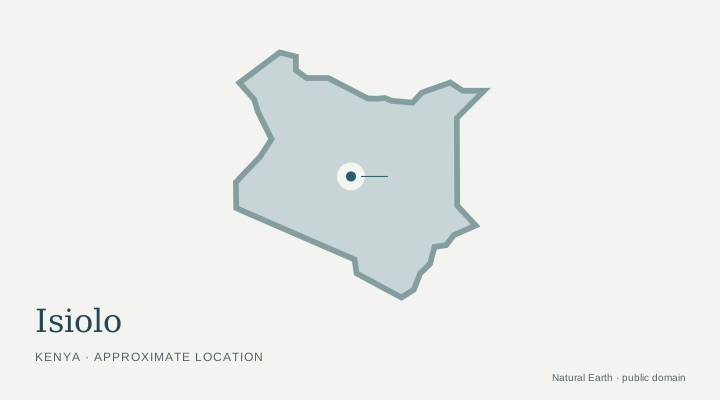
Isiolo HDSS is a planned core setting for REFRAME, connecting climate-related livelihood disruption, food insecurity and mental health. This planned work is distinct from the established CHEERS research in Siaya.
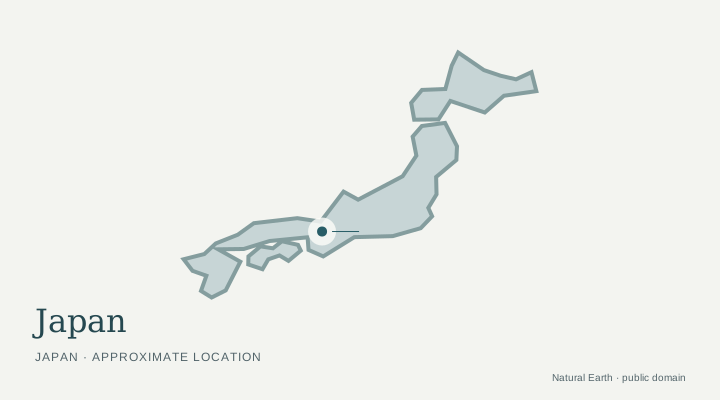
The planned Japanese REFRAME satellite brings together Kyoto University and Ritsumeikan University to examine the transferability of preparedness instruments and educational role-play in a distinct cultural and institutional setting.