Measure
Combine health and demographic follow-up with wearable physiology, indoor temperature, local weather and satellite observations.
CHEERS Network / About
Population research, local expertise and shared methods connect the network’s scientific work.
CHEERS Network brings researchers, institutions and population cohorts together around the health challenges of a changing climate.
Our connections span Africa and Asia, linking local field experience with epidemiology, physiology, environmental monitoring and digital methods. Research takes shape through the participating institutions, their cohort platforms and joint projects.
The scientific foundation is the Climate Change and Health Evaluation and Response System (CHEERS): a framework that extends population surveillance with local climate measurements and repeated health observations. Each setting adapts the approach to its research questions, community context and available infrastructure.
Explore our scientific frameworkA stronger evidence base for climate-resilient health,
grounded in the communities we work with.
Connect population-based research, strengthen local research capacity and develop shared methods that help communities and decision-makers understand climate-related health risks and evaluate adaptation.
Our collaboration is guided by local expertise, reciprocal learning, transparent methods and responsible data stewardship. Research questions and contributions are developed with the institutions and communities involved.
Shared scientific framework
One connected research cycle.
Adapted to each setting and research question.
Combine health and demographic follow-up with wearable physiology, indoor temperature, local weather and satellite observations.
Bring data together across time and place. Use epidemiology, graph databases and carefully evaluated AI methods to investigate exposure and vulnerability.
Co-design and evaluate adaptation with local partners: from cooler housing and heat literacy to better evidence for public health decisions.
Evaluation feeds the next research question. Early warning and AI are research directions; their usefulness must be established in the populations where they will be used.
Who we are
Contributors bring expertise in population health, physiology, climate science and digital methods to a shared research agenda.
CHEERS Network grows through the work of cohort investigators, field teams, methodological partners and participating communities. Contributors connect this work through their institutions and collaborative projects.
Meet the researchers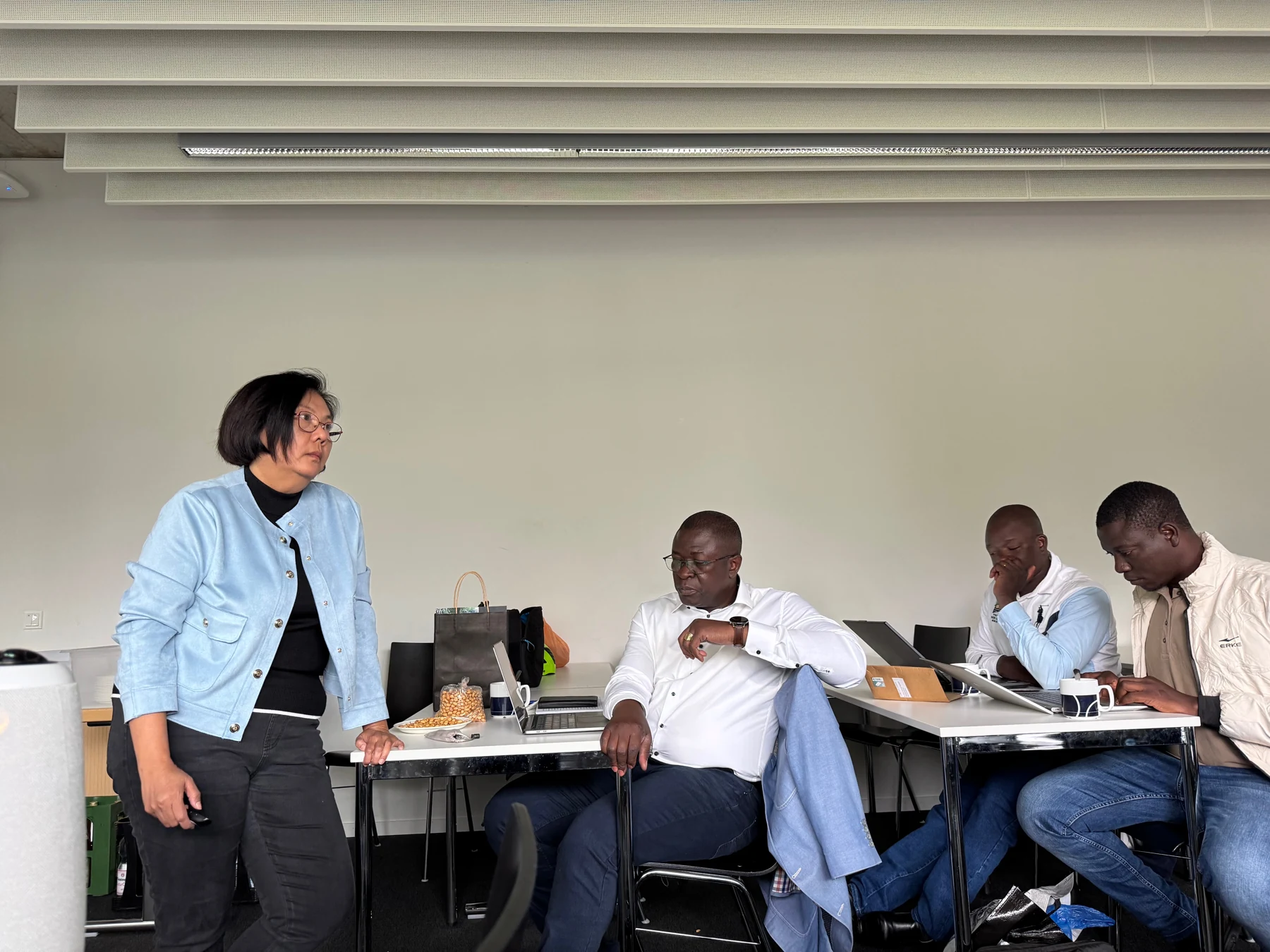
Climate change & global health
Heidelberg Institute of Global Health
Heat stress & environmental physiology
Charité – Universitätsmedizin Berlin
Current network contributors. Project-specific investigators and co-authors are identified in the original studies.
Scientific exchange is organised through partner institutions, joint projects, workshops and regional connections such as CHEERS-SEA. Site teams guide implementation in their own settings; project agreements establish the responsibilities of each participating institution.
Our shared agenda
Strengthen what works. Learn across settings.
Build the evidence together.
Our direction is to connect more local research capacity with comparable, high-resolution evidence. Some priorities are established programmes; others are concepts and proposals being developed with partners.
Improve measurement quality, maintainable sensors, linked data and practical methods for working with incomplete field data.
Support the Vadu pilot and CHEERS-SEA exchange, while exploring wider population-cohort collaboration in Africa.
Develop work on mental health, cardiometabolic risk, heat and air pollution, alongside established research on physiology and adaptation.
Co-develop training, publications and adaptation studies with communities, researchers and decision-makers.
Looking ahead describes research priorities, not confirmed funding or a commitment to implement at every participating site.