Dr Sandra Barteit ↗
Lead Scientist and Co-Principal Investigator
Role / research source ↗Research infrastructure · Nouna, Burkina Faso · Siaya, Kenya
Connecting long-term population follow-up with the measurements needed to investigate climate and health.
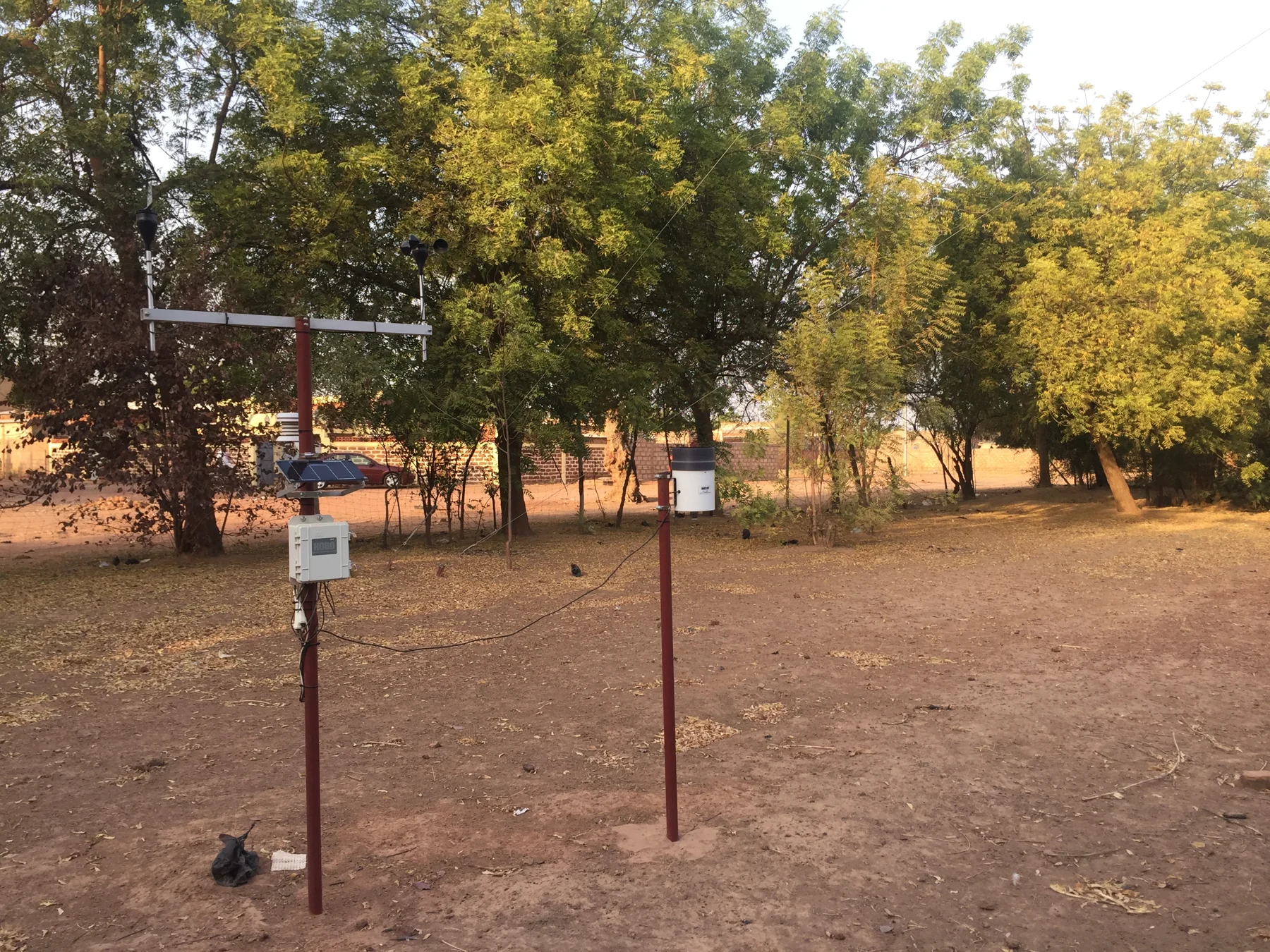
CHEERS infrastructure
Project objectives
The research question
How can population cohorts capture climate-sensitive changes in health more precisely?
Research approach
Core Project 1 of the DFG Research Unit on Climate Change and Health in Sub-Saharan Africa provides a shared population research infrastructure. It connects demographic and health information with environmental and sensor observations and supports nested studies across the research unit.
Partners: HIGH, CRSN and KEMRI · Programme: DFG FOR 2936
People & contributions
Population-cohort infrastructure supports the repeated health, environmental and wearable observations used in CHEERS research.
Lead Scientist and Co-Principal Investigator
Role / research source ↗Co-Principal Investigator
Role / research source ↗Co-principal investigator, KEMRI
Role / research source ↗Partners & connections
Digital Global Health, shared methods and academic research collaboration
Nouna HDSS, local population research and field implementation
Siaya population research and local field collaboration
Research programme linking climate change and health in sub-Saharan Africa
Partner roles refer to the research and institutional connections documented in the linked sources.
Current status · 12 November 2026
CP1 is the shared population-cohort infrastructure described by the DFG research unit and the CHEERS framework. Published component studies document research in Nouna and Siaya. Nested projects have their own study designs and schedules; requests about current recruitment, measurements or data access should be discussed with the relevant investigators.
Publications & evidence
The labels distinguish project or site publications from related studies and shared methods. Protocols describe research designs, rather than proven health effects.
Introduces the modular CHEERS framework linking population surveillance, environmental measurements and individual health data.
Methods, findings & limitations ↗Describes the joint protocol for wearable feasibility, acceptability and validation in Burkina Faso and Kenya.
Methods, findings & limitations ↗Examines associations between extreme weather and individual wearable measurements in Nouna.
Methods, findings & limitations ↗Links weather exposure with wearable measurements of sleep, activity and heart rate in rural western Kenya.
Methods, findings & limitations ↗Research settings
Sources & updates
Profile reviewed 12 November 2026. Suggest a profile update ↗
Network resources & exchange