Assessing the Effect of Extreme Weather on Population Health Using Consumer-Grade Wearables in Rural Burkina Faso: Observational Panel Study
DOI: 10.2196/46980 ↗
Read the study design and limitations alongside its findings.
Read the limitations ↓Summary
Summary
Examines associations between extreme weather and individual wearable measurements in Nouna.
The summary describes the published study and the sources listed below.
Scientific notes: 2026-11-11 · Research connections: 12 November 2026Key findings
Key findings
Hotter nights were associated with shorter sleep; rainfall and season also shaped activity in this rural cohort.
Study design & setting
Study design and methods
Population, setting or evidence base
Nouna observational panel, August 2021–June 2022: 152 enrolled, 143 analyzed; outcome samples: steps 130, sleep 119, nighttime heart rate 46.
Methods
Weather-linked wearable panel analyzed using adjusted mixed-effects models.
Limits to interpretation
Limitations
Substantial missingness, especially heart rate; Unvalidated proprietary outcome estimates; Station-based exposure and observational confounding.
Research relevance
Research relevance
Motivates research on nighttime cooling and livelihood-compatible adaptation.
People, places & projects
Research connections
Labels identify published coauthors, study settings, planned protocol settings and wider methods or network connections.
Coauthors with research profiles

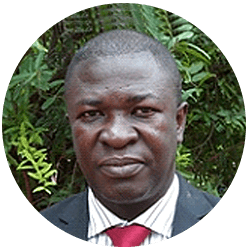

Sites & research settings
Projects & methods connections
Published sources & review scope
Sources
This page summarises the publication. Sources and editorial scope ↗