Measurements & outputs
Measurements and outputs
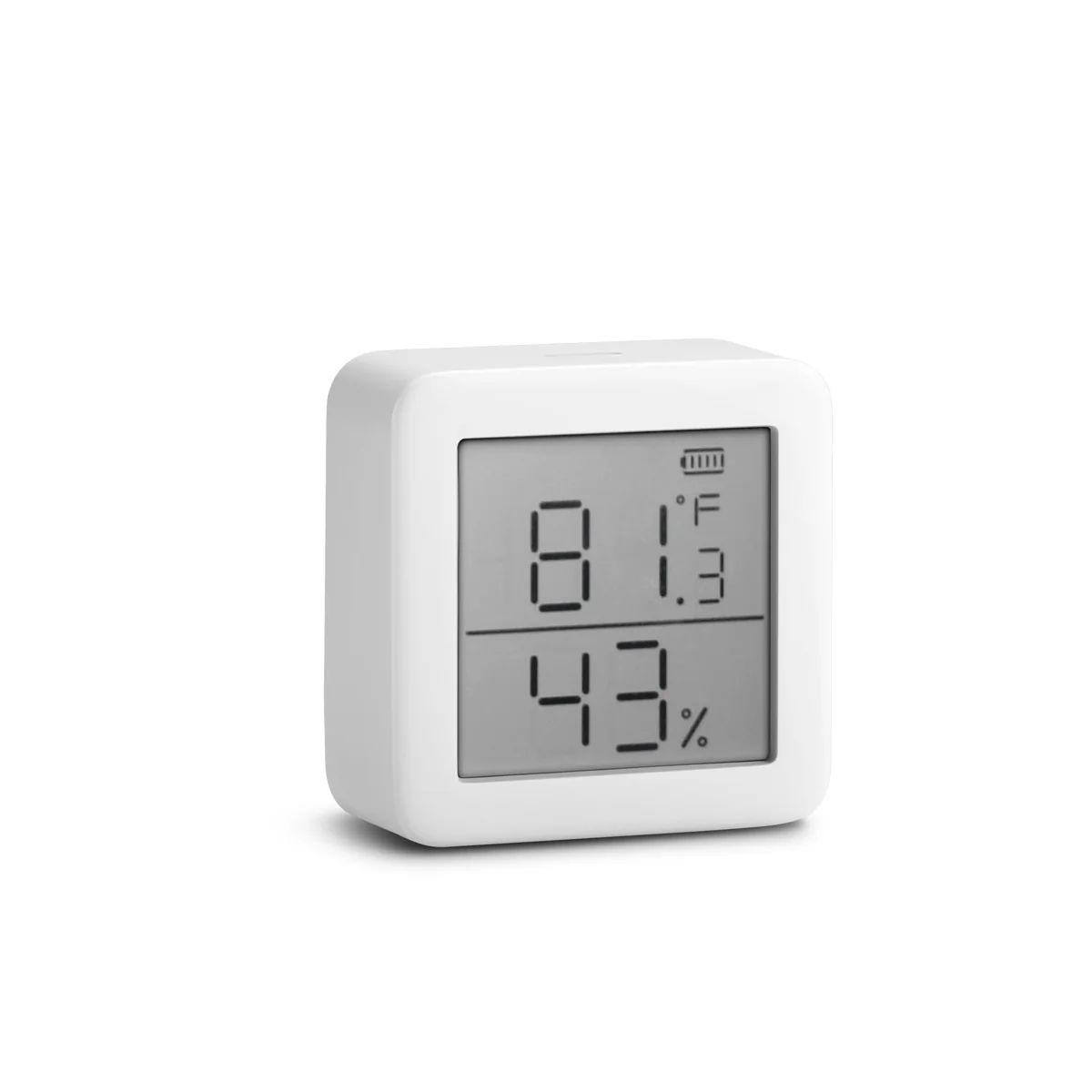
- Indoor air temperature.
- Relative humidity and time-aligned household exposure series.
Research workflow
Research workflow
Choose placement and logging settings appropriate to the household and research protocol.
Align indoor readings with wearable, survey and outdoor observations to study exposure differences.
Interpretation & current limits
Interpretation and limitations
- One logger represents its measurement location and may miss differences between rooms or personal movement.
- Sampling intervals and sensor counts in the lecture describe individual study examples, rather than a network-wide specification.
Documented applications & research context
Applications and research context
Projects
Research settings
Publications & evidence
Related publications
Read the study-specific methods, results and limitations. The framework paper describes the wider approach.
2023Methods / scientific contextMethods
Barteit et al. · Frontiers in Public Health
Introduces the modular CHEERS framework linking population surveillance, environmental measurements and individual health data.
Methods, findings & limitations ↗2024Related research evidenceStudy protocol
Bunker et al. · Trials
Describes a cluster-randomized trial of reflective roofs and health, environmental and economic outcomes in Nouna.
Methods, findings & limitations ↗Explore the full publication library ↗Methods in exchange
Related workshops
Source & scope
Sources and scientific context
Content and images draw on Sandra Barteit’s Freiburg lecture, The Impact of Climate Change on Human Health: Lessons from Low- and Middle-Income Countries, slides 30, 41, 47, 49. Publication pages provide the corresponding research evidence. Reviewed 12 November 2026.
Images extracted from the lecture retain the original device or research illustration. Product images identify examples used in the source material.