Measurements & outputs
Measurements and outputs
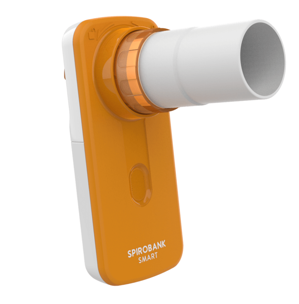
- Spirometry, including FEV₁ and FVC in the respiratory study example.
- Clinical or functional measurements selected for the study question.
Research workflow
Research workflow
Use trained staff and the approved measurement protocol to obtain interpretable assessments.
Combine measurements with repeated respiratory questionnaires, wearables and exposure records in the Nouna study example.
Interpretation & current limits
Interpretation and limitations
- Measurement quality and participant effort affect spirometry. Quality control and clinical interpretation require qualified staff.
- The pictured spirometer illustrates a component. A single device model is not specified for every CHEERS study.
Documented applications & research context
Applications and research context
Projects
Research settings
Publications & evidence
Related publications
Read the study-specific methods, results and limitations. The framework paper describes the wider approach.
2023Methods / scientific contextMethods
Barteit et al. · Frontiers in Public Health
Introduces the modular CHEERS framework linking population surveillance, environmental measurements and individual health data.
Methods, findings & limitations ↗Explore the full publication library ↗Methods in exchange
Related workshops
Source & scope
Sources and scientific context
Content and images draw on Sandra Barteit’s Freiburg lecture, The Impact of Climate Change on Human Health: Lessons from Low- and Middle-Income Countries, slides 30, 47. Publication pages provide the corresponding research evidence. Reviewed 12 November 2026.
Images extracted from the lecture retain the original device or research illustration. Product images identify examples used in the source material.