Everyday environments
Adapt household and weather measurements to the local research setting and its daily routines.
Environmental measurementsIndia / Maharashtra
Bringing climate and health research into the everyday lives of rural communities near Pune.
Explore the CHEERS–Vadu pilot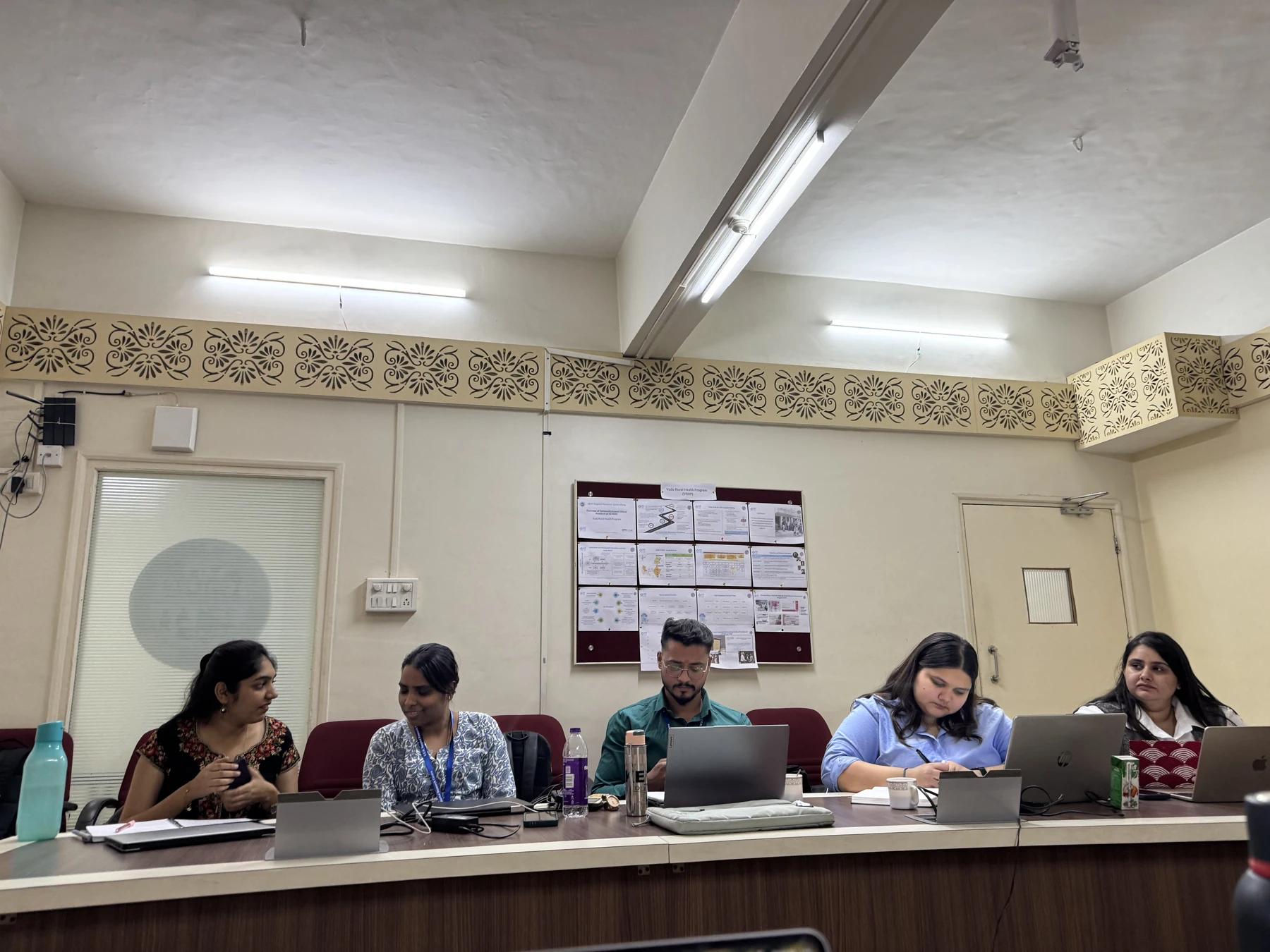
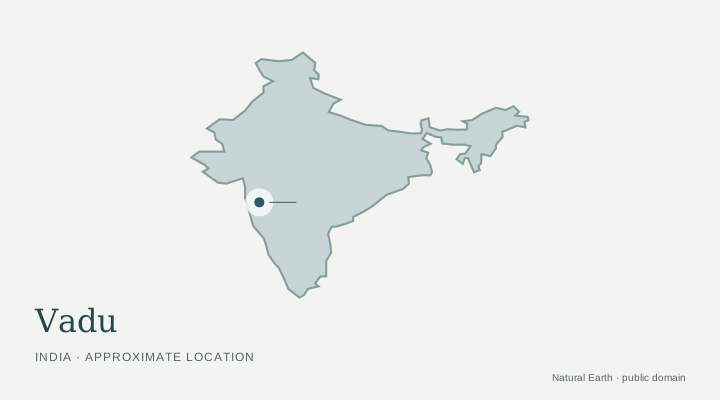
Vadu connects long-term population research with new questions about heat, health and well-being.
The CHEERS pilot is being adapted to the Vadu Health and Demographic Surveillance System (HDSS). Local researchers and communities inform how morbidity surveys, wearables and household and environmental measurements can work together.
The aim is to develop feasible, locally relevant methods for understanding climate-related health risks.
Adapt household and weather measurements to the local research setting and its daily routines.
Environmental measurementsConnect morbidity and well-being questions with wearable measurements and culturally appropriate assessments.
Wearable measurementsDevelop practical data workflows through methods training, field collaboration and community engagement.
Pilot aims & methodsLocal leadership
Head of Vadu HDSS
Lead, Indian HDSS Network
Principal Investigator, CHEERS–Vadu
Vadu Rural Health Program · KEM Hospital Research Centre
Portrait: KEM Hospital Research Centre
CHEERS–Vadu Co-investigator
Respiratory health & population research
KEM Hospital Research Centre
Research & network enquiries
Digital Global Health
Heidelberg Institute of Global Health
Current status · November 2026
A workshop at KEM Hospital Research Centre brought researchers together to prepare the CHEERS–Vadu pilot.
Workshop & programme ↗Develop locally appropriate measurements, questionnaires and workflows for the Vadu population platform.
Pilot profile ↗Assess how the adapted approach works in practice. Completed recruitment and health-effect results are not yet reported here.
REFRAME separately plans a core HDSS study in Vadu. The EU grant agreement is in preparation, with a January 2027 start planned.
About REFRAME ↗Publications & evidence
No Vadu-specific CHEERS journal paper has been identified in the reviewed library. The publications below explain the framework and methods informing adaptation to this setting.
Introduces the modular CHEERS framework linking population surveillance, environmental measurements and individual health data.
Methods, findings & limitations ↗CHIMES evaluates the feasibility of sensor-based climate and health research at SEACO, including asthma and COPD.
Methods, findings & limitations ↗Connected projects
Network resources & exchange
Sources & updates
Profile reviewed 13 November 2026. Suggest a profile update ↗