Dr Sandra Barteit ↗
Lead of the December 2025 KEMRI weather-station workshop
Role / research source ↗Technical capacity and tools · Malaysia · Kenya · Shared technical exchange
Sharing practical experience in building, deploying and maintaining low-cost 3D-printed weather stations.
Shared field methods
Project objectives
The research question
How can local teams maintain the environmental observations their research needs?
Research approach
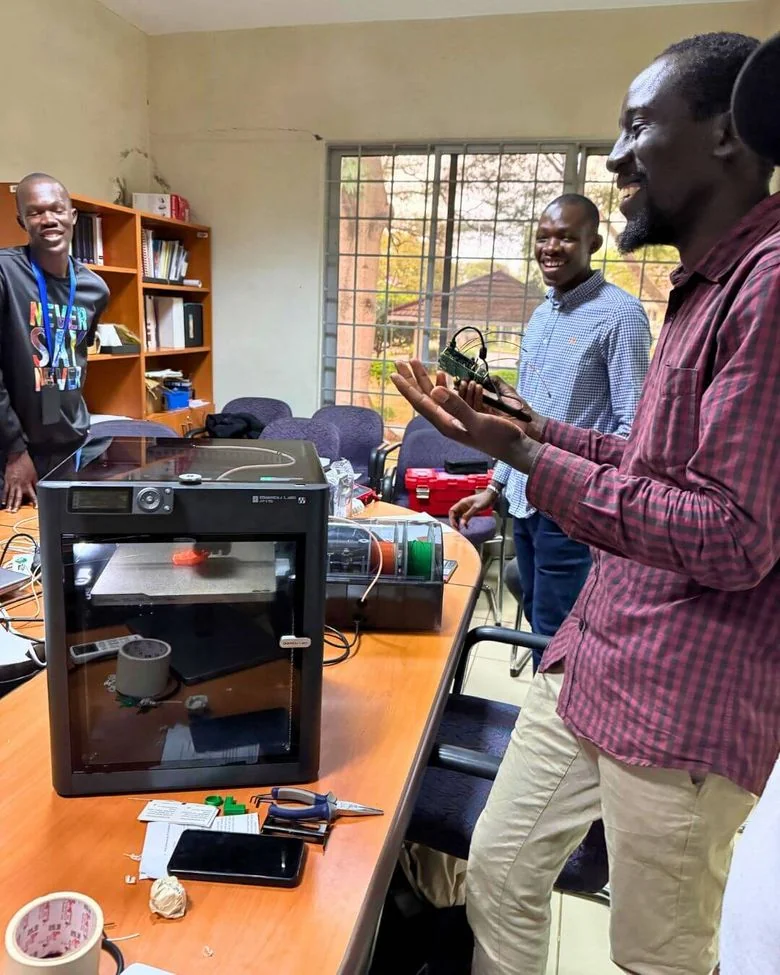
A December 2025 workshop at KEMRI adapted weather-station designs developed through SEACO collaboration for local production in Kenya. The approach combines 3D-printed components and accessible electronics with hands-on training. WindChaser documentation supports assembly, deployment and maintenance.
Documented activity: KEMRI workshop, 11–12 December 2025 · Building on 3D-PAWS methods
People & contributions
Locally developed weather stations and technical workshops contribute maintainable environmental measurement and field skills.
Lead of the December 2025 KEMRI weather-station workshop
Role / research source ↗Partners & connections
Segamat population platform and Malaysia research implementation
Siaya population research and local field collaboration
Digital Global Health, shared methods and academic research collaboration
Partner roles refer to the research and institutional connections documented in the linked sources.
Current status · 12 November 2026
A KEMRI workshop on 11–12 December 2025 adapted station designs developed through SEACO collaboration for local production in Kenya. WindChaser provides technical documentation. These sources document capacity exchange, without establishing identical station coverage or performance at every site.
Publications & evidence
The labels distinguish project or site publications from related studies and shared methods. Protocols describe research designs, rather than proven health effects.
CHIMES evaluates the feasibility of sensor-based climate and health research at SEACO, including asthma and COPD.
Methods, findings & limitations ↗Introduces the modular CHEERS framework linking population surveillance, environmental measurements and individual health data.
Methods, findings & limitations ↗Research settings
Sources & updates
Profile reviewed 12 November 2026. Suggest a profile update ↗
Network resources & exchange
Field instruments / Methods exchange
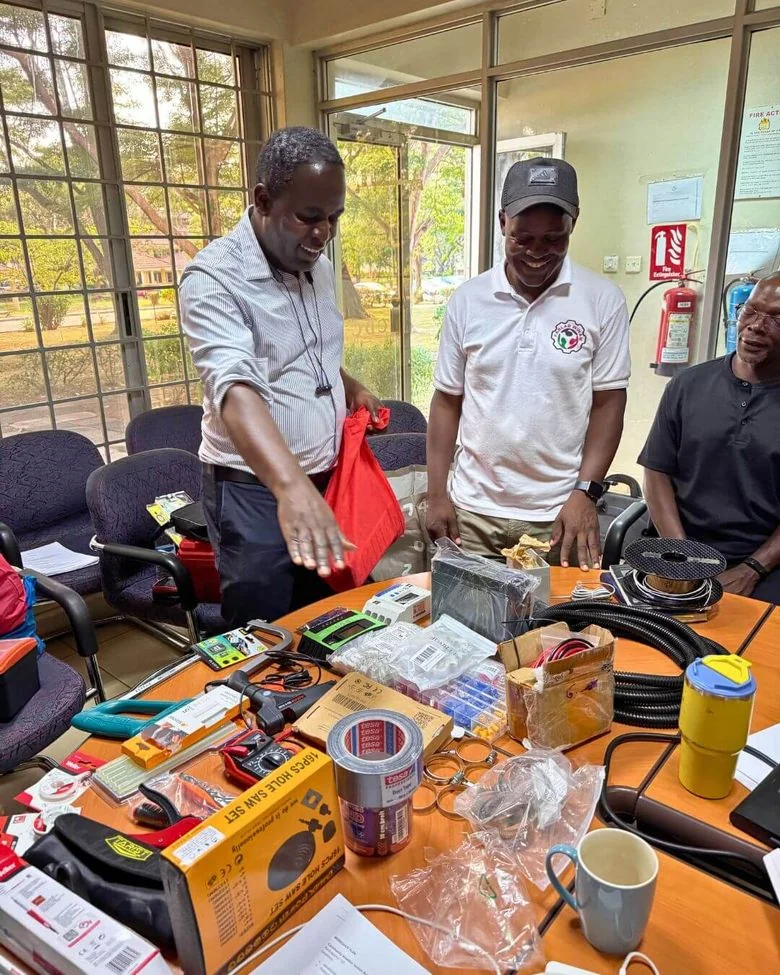
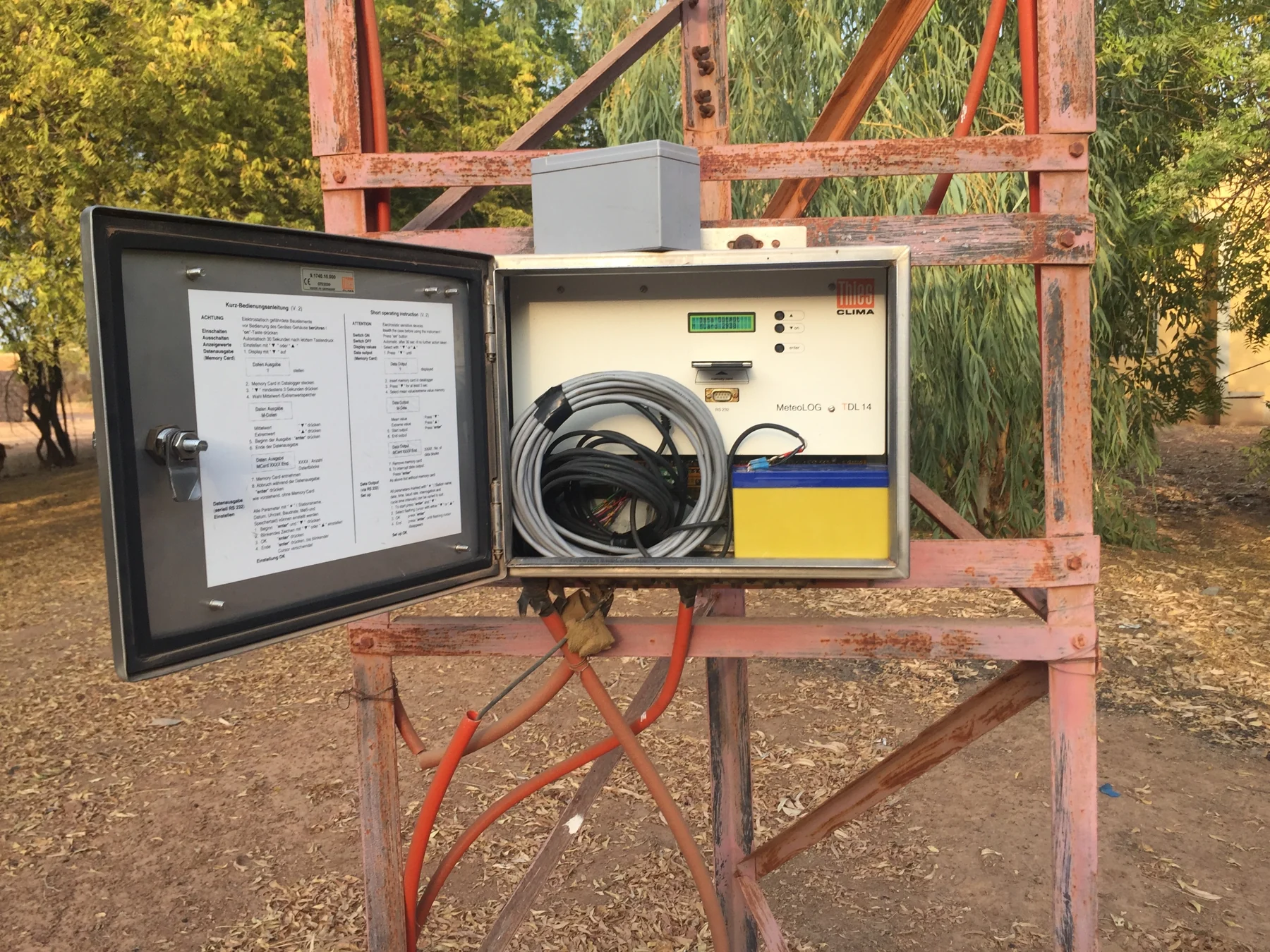
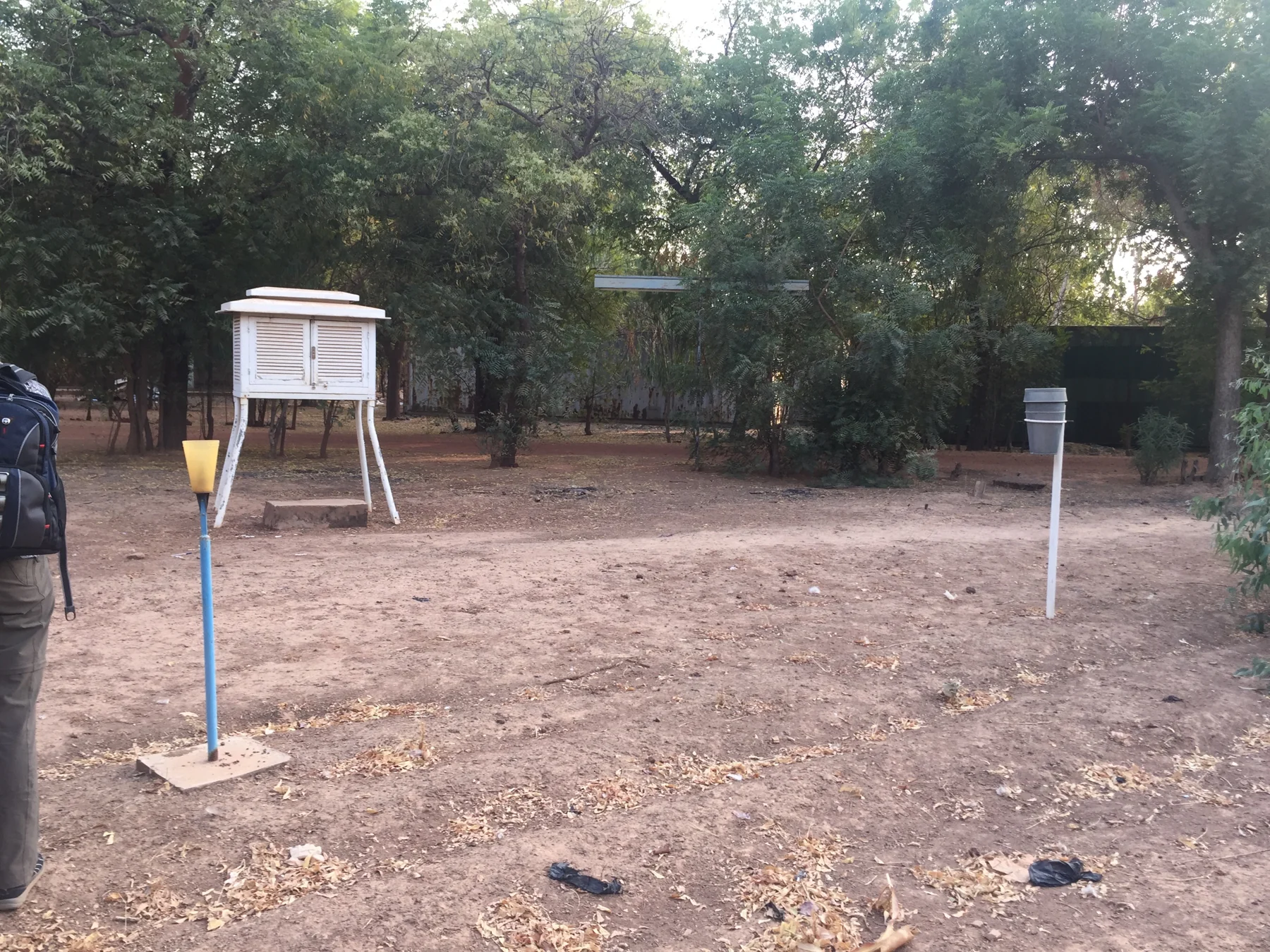
Different settings and instrument examples are shown. KEMRI photograph: Heidelberg University Hospital / Digital Global Health.