Presentation / six slides
CHEERS in practice. A short introduction to the framework and its use in research. Navigate the slides or read the full text below.
CHEERS Network
Linking climate and health Population research, environmental observations and individual measurements, brought together around locally defined questions.
Understand climate-related health risks Investigate who is exposed and vulnerable Develop and evaluate adaptation with local teams About CHEERS ↗ Study design
Four complementary components Each site specifies who receives which measurements, and how the components overlap.
Plan measurement assignments ↗ 01 Population surveillance
02 Health surveys and assessments
03 Wearable monitoring
04 Household environmental monitoring
Scientific framework
A connected research cycle Measurements support analysis and the design of adaptation studies. Evaluation informs the next research question.
Measure health, households and environmental conditions Link observations across people, time and place Design and evaluate locally relevant responses Explore the measurement tools ↗ MeasureHealth · households · environment
Connect and understandLinkage · quality · analysis
Respond and evaluateAdaptation studies · learning
Research settings
Shared methods, local research questions Established collaborations and developing pilots have different histories, priorities and stages of implementation.
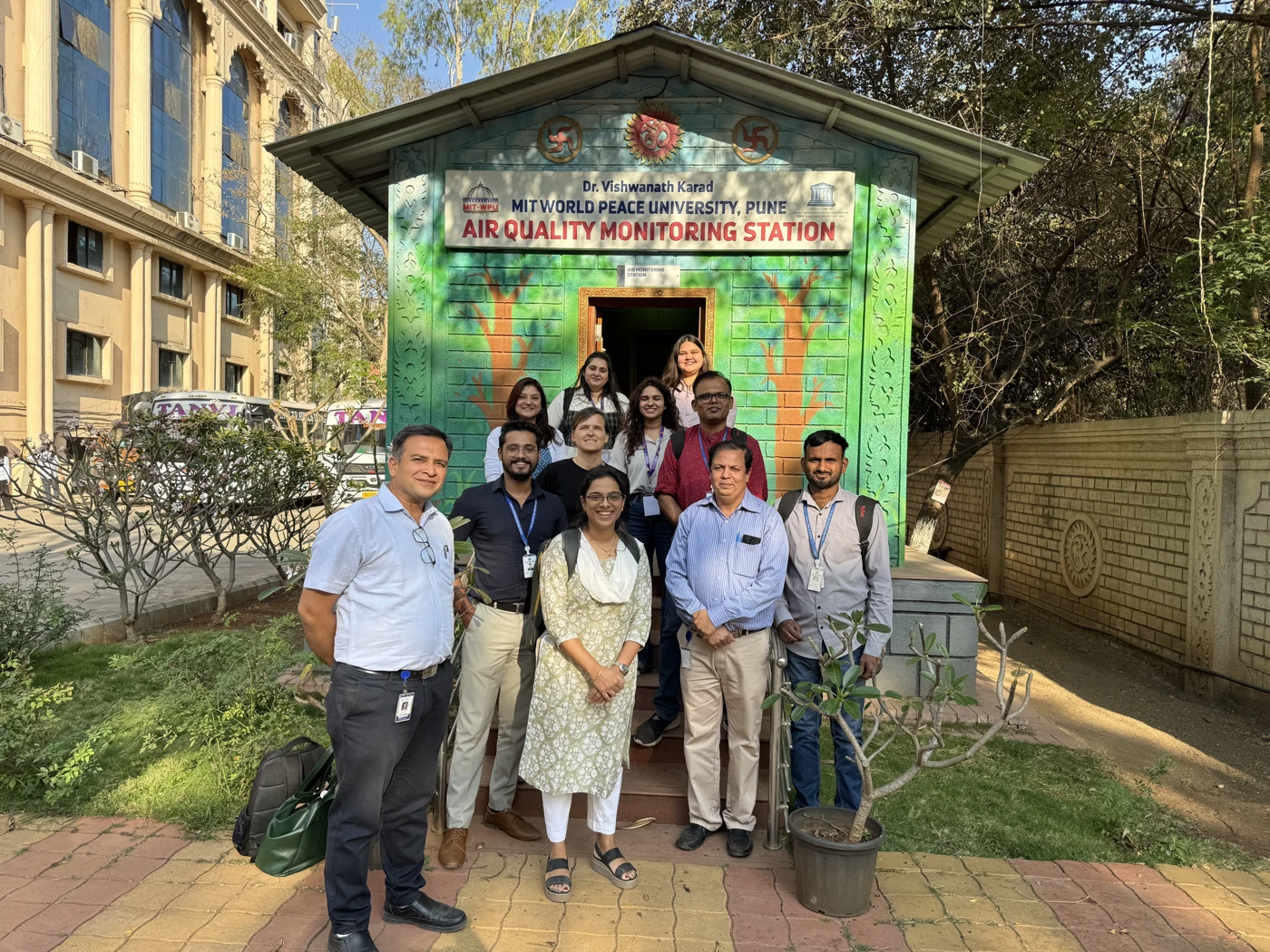
Nouna, Burkina Faso: population cohorts and heat-health research Siaya, Kenya: population research, wearables and agricultural work SEACO, Malaysia: CHIMES and heat-health monitoring Vadu, India and Belém, Brazil: pilot preparation Explore research settings ↗ The CHEERS way
From population register to field calendar Document the design before selecting households or assigning instruments.
Establish a dated population frame Specify the four components and their eligible populations Agree the statistical design and selection probabilities Preserve the selection record and plan visits across seasons Read the sampling documentation ↗ 01 / Population frame
02 / Component assignments
03 / Statistical design
04 / Selection and visits
Research collaboration
Develop the next study together Start with a local question, the population of interest and the expertise each team can contribute.
Prepare feasible pilots and field procedures Strengthen measurement quality and data linkage Develop analyses, publications and adaptation evaluations Contact CHEERS ↗ ← Previous slide
Next slide → Use the Previous and Next buttons, or the arrow keys while the slide viewer has focus. Slides do not advance automatically.
Read all six slides as text Slide 1 / CHEERS Network
Linking climate and health Population research, environmental observations and individual measurements, brought together around locally defined questions.
Understand climate-related health risks Investigate who is exposed and vulnerable Develop and evaluate adaptation with local teams About CHEERS ↗ Slide 2 / Study design
Four complementary components Each site specifies who receives which measurements, and how the components overlap.
Population surveillance Health surveys and assessments Wearable monitoring Household environmental monitoring Plan measurement assignments ↗ Slide 3 / Scientific framework
A connected research cycle Measurements support analysis and the design of adaptation studies. Evaluation informs the next research question.
Measure health, households and environmental conditions Link observations across people, time and place Design and evaluate locally relevant responses Explore the measurement tools ↗ Slide 4 / Research settings
Shared methods, local research questions Established collaborations and developing pilots have different histories, priorities and stages of implementation.
Nouna, Burkina Faso: population cohorts and heat-health research Siaya, Kenya: population research, wearables and agricultural work SEACO, Malaysia: CHIMES and heat-health monitoring Vadu, India and Belém, Brazil: pilot preparation Explore research settings ↗ Slide 5 / The CHEERS way
From population register to field calendar Document the design before selecting households or assigning instruments.
Establish a dated population frame Specify the four components and their eligible populations Agree the statistical design and selection probabilities Preserve the selection record and plan visits across seasons Read the sampling documentation ↗ Slide 6 / Research collaboration
Develop the next study together Start with a local question, the population of interest and the expertise each team can contribute.
Prepare feasible pilots and field procedures Strengthen measurement quality and data linkage Develop analyses, publications and adaptation evaluations Contact CHEERS ↗ The web presentation is an editorial introduction. The CHEERS framework paper provides the scientific foundation; study-specific decisions remain with the responsible investigators.